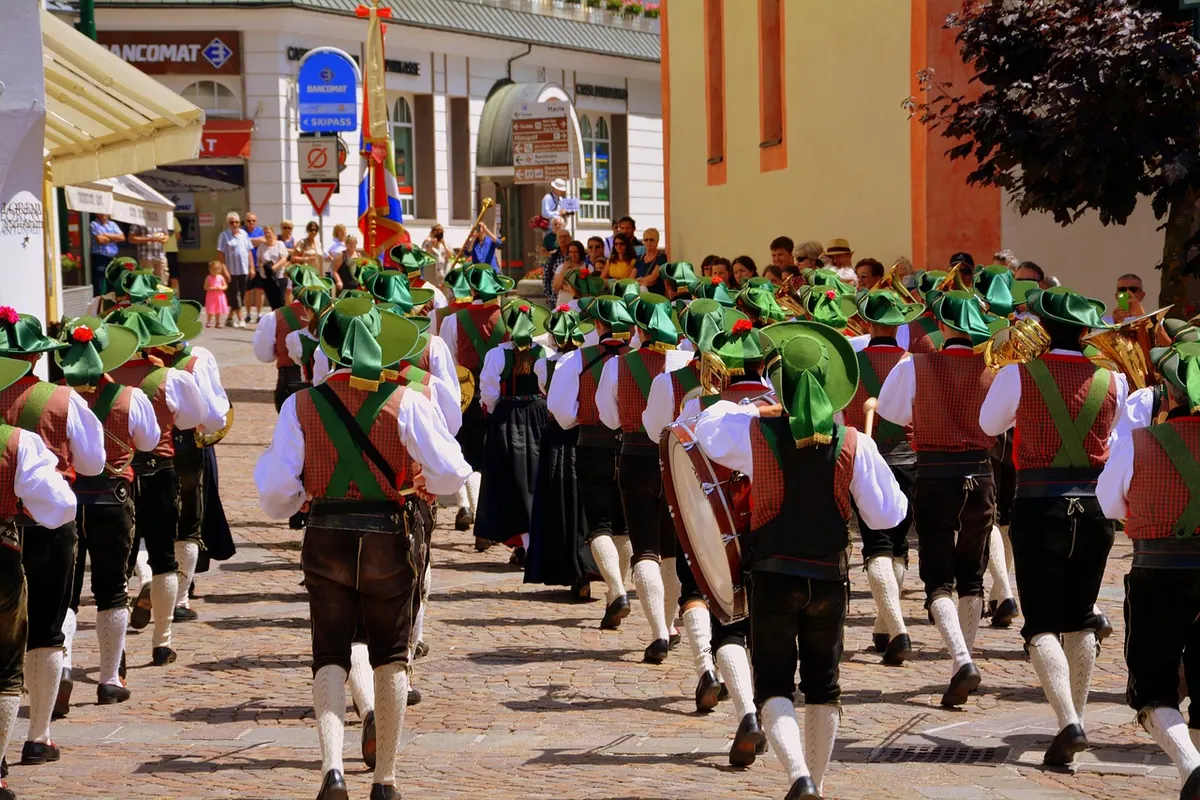
The first time you walk into an Altopiano festival, it can feel as if the whole village has decided to eat outside. Long tables appear beside the church, someone is stirring polenta over a fire, children run between benches, and a queue forms for plates that seem to come from a kitchen no bigger than a cupboard. You do not need a local surname to enjoy it. You need a little timing, a few manners, and the willingness to order what the people in front of you are ordering. That last instinct will serve you better than any printed guide, because the person ahead of you has probably been coming since childhood and knows exactly which line moves fastest and which dish is worth the wait.
Start With the Calendar, Not the Crowd
Festivals here are not one long season. They follow saints’ days, harvest, the dairy calendar and village anniversaries, which means a quiet week can sit right next to a weekend with three events in three different towns. Some are single evenings; others take over a piazza or a meadow for two or three days. The words festa and sagra are used loosely. One may mean a religious procession, another a food stall, another a dance with a band, and many mean all three at once.
A dairy festival might celebrate the summer pasture with cheese, polenta and music; a village anniversary might begin with Mass and end with a raffle under strings of lights; a smaller sagra might be little more than a few tables, a grill and a homemade cake. The scale changes, but the pattern rarely does: food, company, and a reason to stay outside longer than usual.
Before you go, look beyond the big regional website. Check posters in the bar, the bakery window, the parish noticeboard and the tourist office. Ask at your accommodation: “Is there a festa this weekend? What time does the kitchen open?” That second question matters more than the start time on the poster. Ask where to park, too. Village roads are narrow, and event parking may be in a field a short walk away. Arrive early, especially for Sunday lunch. If you want a quieter experience, try the opening evening or late afternoon rather than the peak dinner hour.
A useful rule is to pick one event per day, not three. Festivals are sociable, not efficient. If you rush from village to village, you will spend the evening in the car and miss the best part: the hour when the plates have been cleared and someone starts telling a story. If two events appeal, choose the smaller one first and the bigger one later, or save one for your next visit.
Understand the Rhythm of the Day
A festival is not a restaurant with continuous service. It has phases. Morning might bring a market, a church service and a procession. Midday is for food: volunteers lift lids, tables fill, and the queue moves in bursts. Afternoon often brings games, music or a raffle. Evening means a second service, more music and people lingering over a last glass. Food can stop between lunch and dinner, and popular dishes run out. If the sign says noon, it may mean the volunteers are starting to set up; the first plates might appear a little later.
This is why arriving with a fixed idea of lunch at 12:30 can lead to disappointment. Better to arrive early, watch the setup, and treat the first hour as part of the event. You will see the same volunteers who will later serve you carrying benches, tying ribbons and arguing cheerfully about where the drinks table should go. By the time the food appears, you will already feel less like a visitor and more like a guest.
Three questions worth asking
- When does the kitchen open, and when does it close?
- Do we order here, pay there, or buy a ticket first?
- Is there seating inside, outside, or both?
A volunteer will usually answer with a point and a smile. Asking is not a sign of ignorance; it is how locals learn the plan too. If the answer comes with a shrug, it is probably because the plan is still being decided.
Festival Etiquette: The Short Version
Most rules are ordinary manners in slightly unfamiliar clothing. Dress for grass, weather and walking. Greet the people beside you when you join a table. Do not block the serving line while deciding. Put rubbish where it is collected. Keep an eye on children near cooking fires and vehicles. If you bring a dog, ask before taking it into a crowded food area.
At shared tables
Long benches are normal. Before sitting, ask “È libero?”—is it free?—or gesture toward the empty space. Keep bags off the benches where people need to eat. If you are a large group, do not take over a table; split up or wait. Sharing with strangers is part of the evening, not an inconvenience. Offer to pass the water, move a chair, or make room for someone carrying a tray. Small gestures do more than long speeches.
In church and during processions
Lower your voice, step out of the aisle and avoid flash photography. A procession is not a photo opportunity first; people are taking part in something that matters to them. If you want a picture of a person, ask with a smile and accept a no. Do not stand in front of someone carrying a banner or statue.
At the bar and ticket desk
Some stalls take cash only. Others use tokens or tickets bought at a separate table. Watch what the person ahead of you does. Carry small notes and coins, and keep your receipt or ticket visible until you have your food. If you are unsure, say “Come funziona?”—how does it work?—and someone will point you in the right direction.
How to Order at the Food Stalls
The food is often the main event, but the menu is rarely a long document. Expect a short handwritten list, a few things cooking at once and volunteers who know the dishes by heart. A queue of locals is a good sign, though it is not an invitation to skip ahead. Ask “What is typical?” or simply point. Per favore and grazie go a long way.
A simple order that works
- Find the correct line. Sometimes you pay at one table, collect food at another, and pick up drinks at a third.
- Read the menu at the start of the queue, not when you reach the counter.
- Order by name or number, point if needed, and say “per favore.”
- Keep your ticket or receipt where you can see it.
- Collect cutlery, napkins and water, then return your tray or plates if bins are marked.
Portions are often generous, so order one or two things first and go back for more. If you have a serious allergy, ask clearly about ingredients, but do not expect a busy volunteer to guarantee a dish is free from traces of nuts, gluten or dairy. If the risk is serious, ask to speak with someone in charge or choose a dish you are confident about.
What to Eat, and How to Pace Yourself
Menus at Altopiano festivals lean on what the season and the valley provide: polenta, cheese, mushrooms, game, grilled meat, gnocchi, beans, cabbage and simple cakes. A village may be known for one dish, and that is usually what the longest queue is for. Do not try to eat everything at the first stall. Festival food is hearty, and the evening is long.
A few dishes to recognize
- Polenta e formaggio: soft polenta with melted cheese, often served in generous spoonfuls.
- Gnocchi: potato dumplings with butter, cheese or a simple tomato sauce.
- Funghi: mushrooms, often sautéed or served with polenta when in season.
- Spezzatino: a slow-cooked stew, sometimes with game or beef.
- Strudel or frittelle: apple cake or sweet fritters, good with coffee at the end.
Pace yourself the way locals do: a shared plate first, then a walk around the stalls, then a second dish if you are still hungry. Drink water between glasses of wine or beer. If you are with a group, order different dishes and put them in the middle. That way you taste more and waste less.
If you see a long line for one dish, ask whether it is cooked to order. A short wait for something fresh is usually worth it.
Practical Matters: Cash, Weather, and Getting Home
Bring cash, including small notes. Not every stall has a card reader, and mobile signal can be patchy in a crowded piazza. Weather on the Altopiano can change quickly, so bring a light jacket even on a warm afternoon. Wear shoes that can handle grass, gravel and a little mud. If you are driving, note the parking field on arrival and avoid blocking farm entrances. If you are drinking, decide who is driving before the first glass.
Check the last bus or shuttle before you settle in for the evening. Rural services are limited, and a festival that ends late may leave you with fewer options than you expected. Keep a torch or phone light for the walk back. If you are staying nearby, walk; you will see more and worry less about parking.
A simple festival checklist
- Small cash notes and coins
- A light rain jacket and comfortable shoes
- A reusable water bottle if the event provides refills
- Patience for queues and changing start times
- A plan for getting home that does not depend on luck
A Final Word: Arrive Curious, Leave Grateful
You do not need to know the saint, the harvest or the history to enjoy an Altopiano festival. You need to arrive with a little curiosity and leave with a little gratitude. Try the dish the volunteers recommend. Sit beside someone you do not know. Stay for the music if you can. And when you leave, say grazie to the people clearing the tables. They are the reason the whole village can eat outside for a night.
Photo: pcdazero / Pixabay